 Luvico
Men's Well-being After 40: A Comprehensive Guide
Explore natural approaches to maintaining vitality, energy, and overall health
Dedicated Content for Men's Well-being
This section provides specific information about natural approaches to health and well-being for men, with particular focus on the unique considerations of life after 40. The content emphasizes informed decision-making, lifestyle choices, and the interconnected nature of nutrition, physical activity, stress management, and overall vitality.
Educational content only. No promises of outcomes.
Understanding Changes After 40
The period after 40 represents a significant life transition. The body undergoes natural physiological changes—metabolism may shift, body composition may change, and energy levels may fluctuate. These changes are normal and expected parts of the aging process.
Understanding these changes is the foundation for making informed choices about health. Rather than viewing aging as decline, men can embrace this stage as an opportunity to refine lifestyle habits that support sustained health and vitality.
Key Considerations:
- Metabolic rate may decrease, requiring attention to nutrition and activity levels
- Muscle maintenance becomes increasingly important and benefits from targeted exercise
- Recovery from physical exertion may require more time and rest
- Sleep quality and consistency become critical for health
- Stress management takes on increased importance for overall well-being

Physical Activity and Exercise
Maintaining physical activity is one of the most powerful tools for supporting health and vitality after 40. Regular movement supports cardiovascular health, muscle maintenance, bone density, and mental well-being.
Exercise doesn't require extremes. Moderate, consistent activity is often more sustainable and beneficial than sporadic intense efforts. The key is finding activities that are enjoyable and sustainable over time.
Recommended Approaches:
- Cardiovascular exercise: Walking, swimming, cycling (150 minutes weekly)
- Strength training: Weight-bearing exercises to maintain muscle and bone density (2-3 times weekly)
- Flexibility work: Stretching or yoga to maintain mobility and reduce injury risk
- Balance training: Important for injury prevention as aging progresses
- Activities you enjoy: Hiking, sports, dancing—consistency matters more than type
Nutrition for Men's Health
Optimal nutrition becomes increasingly important in supporting health, energy, and vitality for men after 40.
Protein for Muscle Maintenance
Adequate protein intake supports muscle health and recovery. Men after 40 benefit from consistent protein at each meal. Quality sources include fish, poultry, eggs, legumes, and dairy products.
Complex Carbohydrates
Whole grains, legumes, and vegetables provide sustained energy and essential nutrients. These foods support digestive health and stable blood sugar levels throughout the day.
Healthy Fats
Omega-3 fatty acids from fish, nuts, and seeds support cardiovascular and brain health. Olive oil and avocados provide healthy monounsaturated fats important for overall function.
Micronutrients and Minerals
Vitamins and minerals from diverse vegetables, fruits, and whole foods support immune function, energy production, and various bodily processes essential to health.
Hydration
Proper hydration becomes increasingly important with age. Water supports cognitive function, energy, and physical performance. Most men benefit from adequate daily water intake.
Limiting Processed Foods
Reducing processed foods, excess sugar, and salt supports cardiovascular health and stable energy levels. Whole foods provide superior nutrition and support sustained well-being.

Sleep Quality and Recovery
Sleep becomes increasingly important for men's health after 40. Quality sleep supports immune function, cognitive performance, emotional resilience, and physical recovery.
Strategies for Better Sleep:
Consistent Schedule
Going to bed and waking at consistent times helps regulate the body's natural circadian rhythm, improving sleep quality over time.
Sleep Environment
A cool, dark, quiet bedroom promotes better sleep. Consider temperature control, blackout curtains, and minimizing electronic distractions.
Pre-sleep Routine
Relaxing activities like reading, light stretching, or meditation 30-60 minutes before bed signal to the body that sleep is approaching.
Limit Evening Stimulants
Reduce caffeine intake after early afternoon. Alcohol may disrupt sleep quality despite initial drowsiness effects.
Screen Management
Blue light from screens can interfere with melatonin production. Reducing screen time 1-2 hours before bed supports natural sleep processes.
Daily Light Exposure
Morning and midday light exposure helps synchronize circadian rhythms, supporting better nighttime sleep.
Stress Management and Mental Well-being
Mental and emotional well-being directly influence physical health. Stress management practices support both immediate comfort and long-term health outcomes.
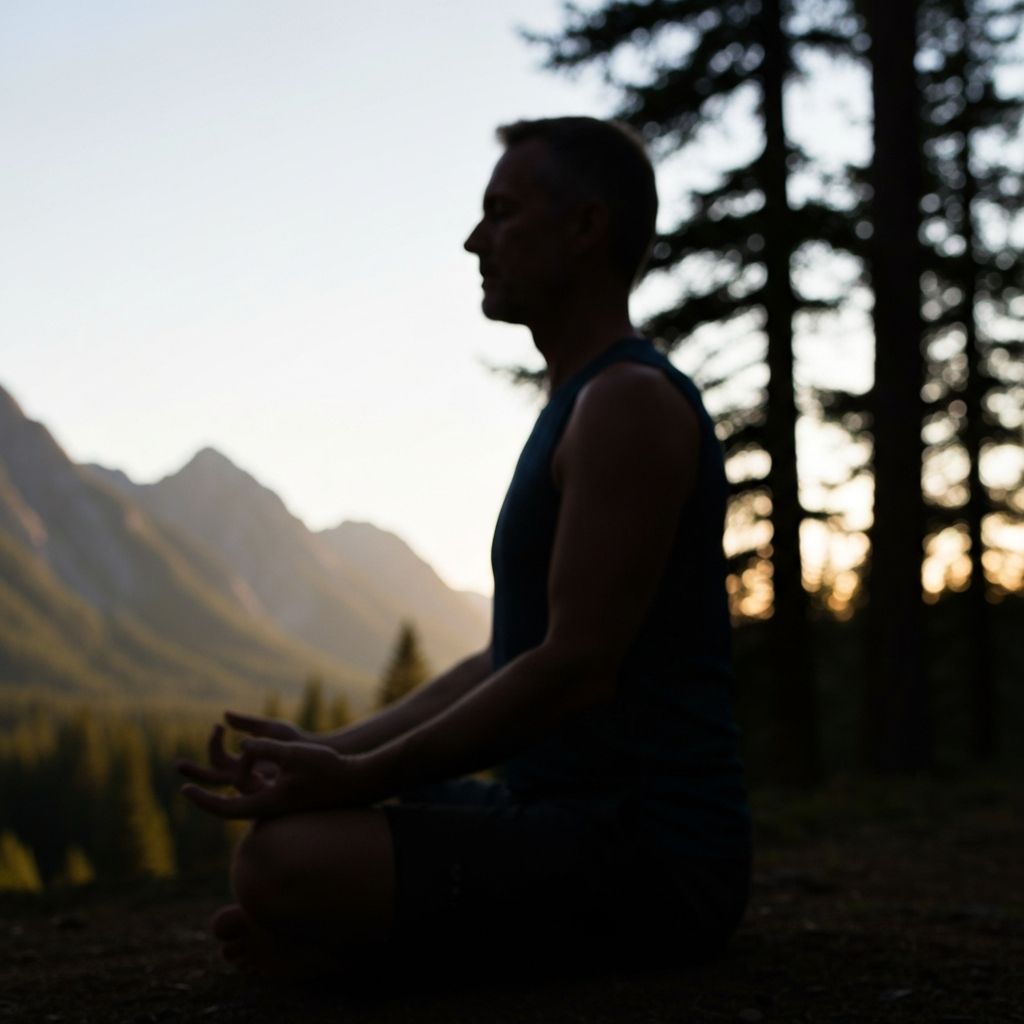
Meditation and Mindfulness
Regular meditation practice reduces stress hormones, improves focus, and supports emotional regulation. Even 10-15 minutes daily can produce measurable benefits.
Breathing Exercises
Controlled breathing directly activates the parasympathetic nervous system, promoting relaxation. Simple techniques can be practiced anywhere, anytime.
Social Connection
Meaningful relationships and social engagement support mental health and overall well-being. Regular interaction with friends and community is protective of health.
Purposeful Activity
Engaging in activities with meaning and purpose—whether work, hobbies, or service—supports mental well-being and life satisfaction.
Nature Exposure
Time in natural environments reduces stress and promotes mental clarity. Even brief outdoor time supports well-being.
Creative Expression
Creative activities like art, music, writing, or gardening support emotional processing and mental well-being.
Natural Approaches to Skin and Personal Care
Skin health reflects overall well-being and is influenced by nutrition, hydration, sleep, and sun protection. Natural approaches emphasize working with the skin's natural processes.
Daily Skin Care Routine:
- Cleanse gently: Mild cleansing removes impurities without stripping natural oils
- Moisturize: Hydration supports skin health and appearance; natural moisturizers work with skin's natural barrier
- Sun protection: Daily SPF protects skin from UV damage, the primary cause of visible aging
- Exfoliate moderately: Gentle exfoliation removes dead skin and supports cell renewal
- Support from within: Hydration, nutrition, and sleep directly impact skin health and appearance
Important Note on Skin Care
Skin health is influenced by genetics, sun exposure, hydration, nutrition, and overall health. While natural approaches support skin maintenance, expectations should be realistic. Significant skin concerns warrant consultation with dermatologists.
Building Sustainable Healthy Habits
Start Small
Significant changes result from small, consistent actions. Focus on one habit at a time rather than overwhelming yourself with multiple simultaneous changes.
Track Progress
Monitoring habits and results provides motivation and helps identify what works for your unique situation and preferences.
Find Accountability
Sharing goals with friends or joining groups provides motivation and makes positive habits more sustainable and enjoyable.
Celebrate Consistency
Long-term health results from sustained effort over months and years. Celebrate consistent practice rather than waiting for dramatic results.
Adapt as You Learn
What works changes over time. Regular assessment and willingness to adjust approaches ensures long-term sustainability and continued progress.
Seek Professional Guidance
Personal health concerns warrant consultation with qualified healthcare professionals who can provide individualized advice based on your specific situation.
Limitations and Context
This content provides educational information for general understanding. Every individual's health situation is unique. Personal health decisions should always involve consultation with qualified healthcare professionals who understand your individual circumstances, medical history, and specific concerns.
Ready to Learn More?
Return to our main resources for more comprehensive information about natural approaches to well-being.
Return to Home View FAQ